
Dhading, 30 Bhadau
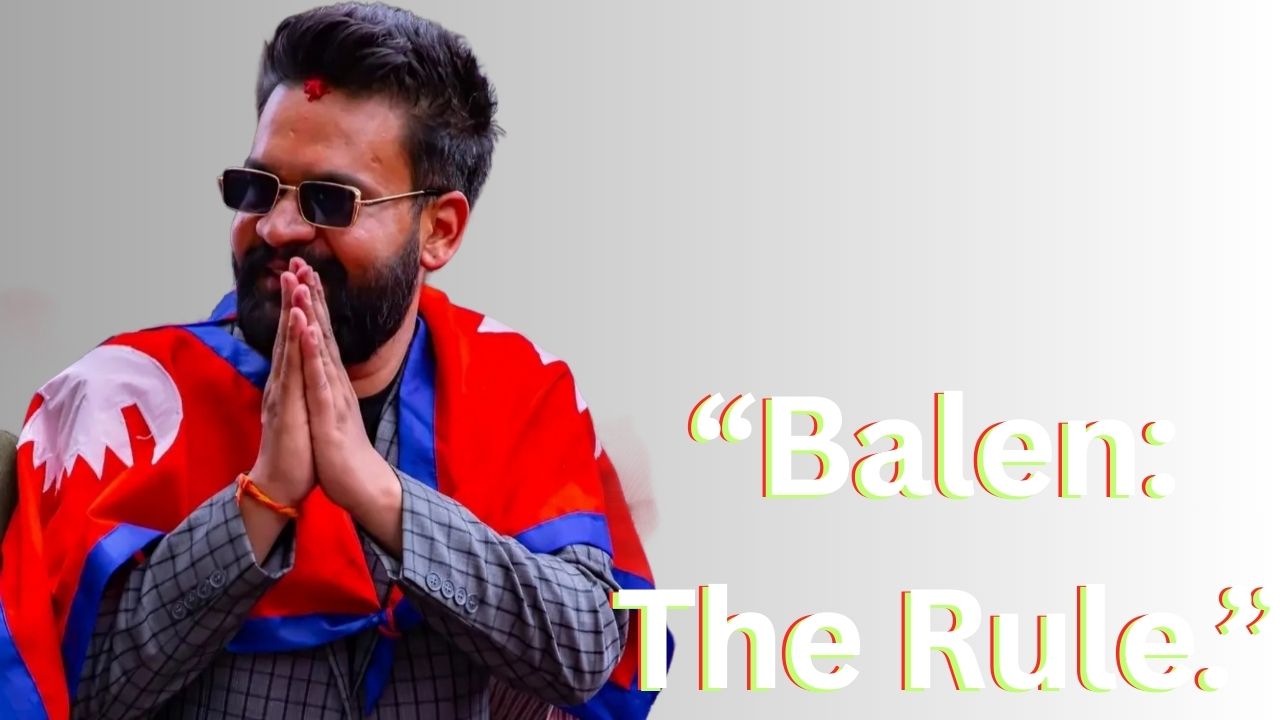
When Balendra Shah, popularly known as Balen, became the Mayor of Kathmandu Metropolitan City, many saw it as the rise of a new political force in Nepal. A rapper-turned-structural engineer-turned-mayor, his journey itself was unusual and refreshing for a nation exhausted by traditional politics. His tenure has sparked both admiration and criticism, shaping what people now call “Balen: The Rule.”
Balen’s rise was historic because he was an independent candidate, untied to the messy alliances of mainstream parties. His victory showed the frustration of urban youth and the middle class toward the status quo. For many, his leadership symbolizes rebellion against corrupt systems and a demand for accountability.
From enforcing building codes and tackling road encroachment to pushing for proper waste management, he has taken tough stances that many traditional leaders hesitated to confront. His strict actions against illegal structures and misuse of public spaces won him both praise for bravery and criticism for rigidity. Supporters admire his uncompromising nature; critics call him authoritarian.
His appeal, however, is not just in governance but also in symbolism. He represents the voice of youth, frustrated with empty promises of big parties. His use of direct communication, social media updates, and sharp words has built him a loyal base. For many young Nepalis, Balen embodies a sense of dignity, courage, and hope for systemic change.
Yet, running a city is more than making strong speeches. Kathmandu faces deep-rooted problems—waste management, pollution, unmanaged urbanization, and lack of infrastructure. His rule often collides with bureaucracy and entrenched interest groups. Critics argue that his methods lack dialogue and that his independence, while refreshing, sometimes isolates him from broader cooperation.
Whether one praises or criticizes him, there is no denying that Balen has changed the narrative of leadership in Nepal. He has proven that a non-traditional figure can challenge the old political order and make governance more visible and impactful. For many, his rule is not just about policies—it is about an idea: that change is possible, and that authority can be reshaped by courage, even without political lineage.